
„Avatars of the Past“
19.12.2025 – 31.01.2026, Artrovert Gallery, Tallinn
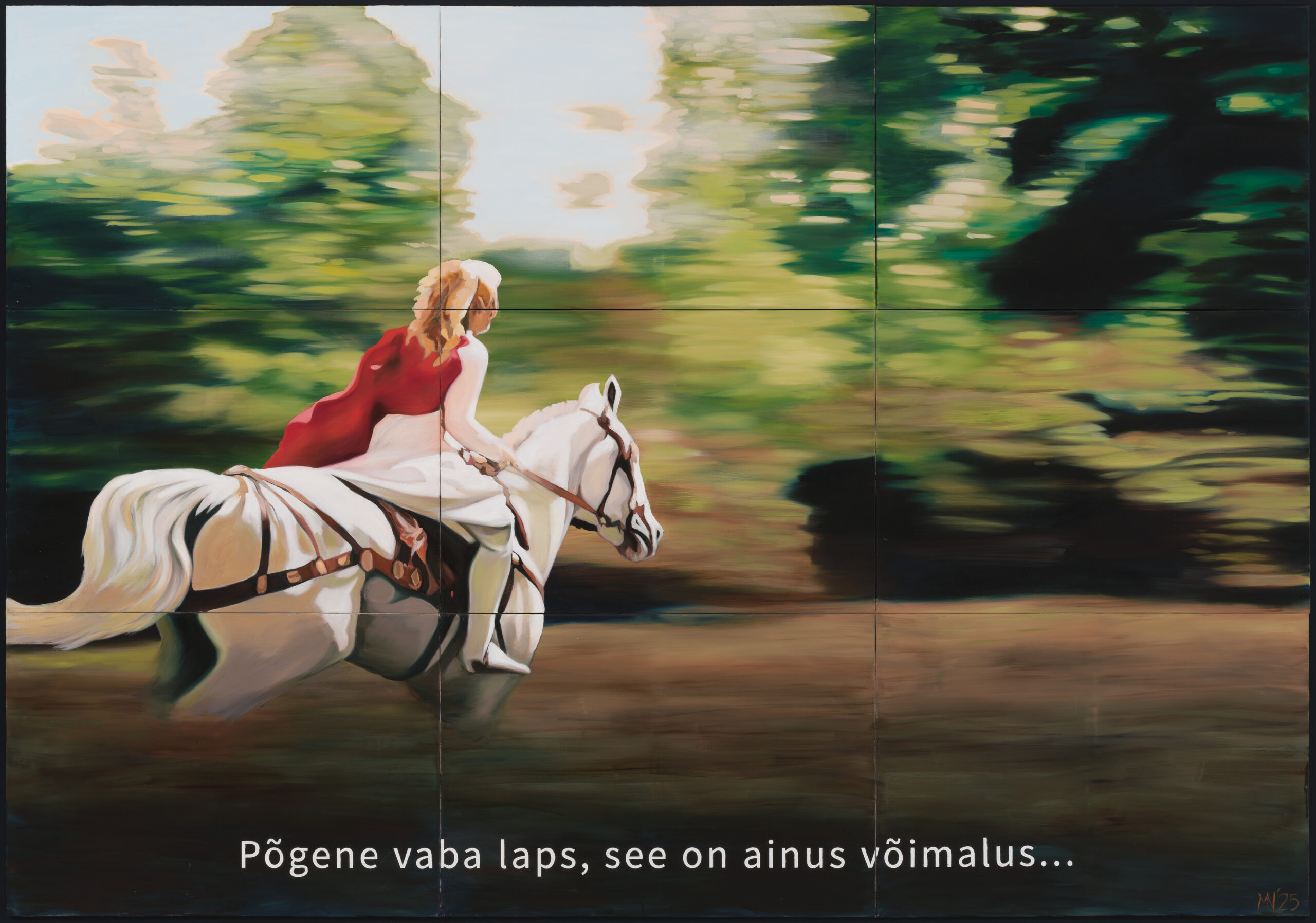
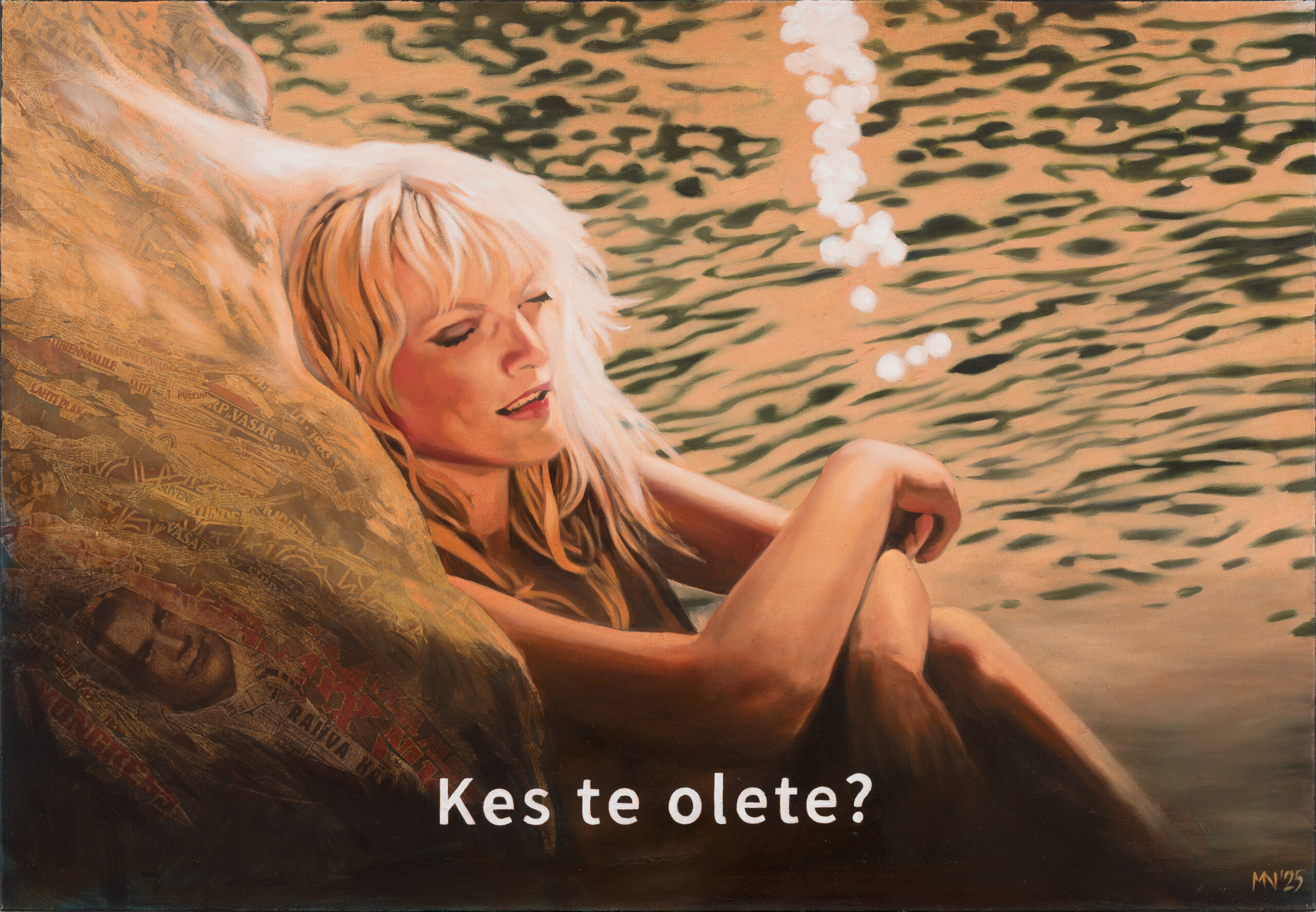
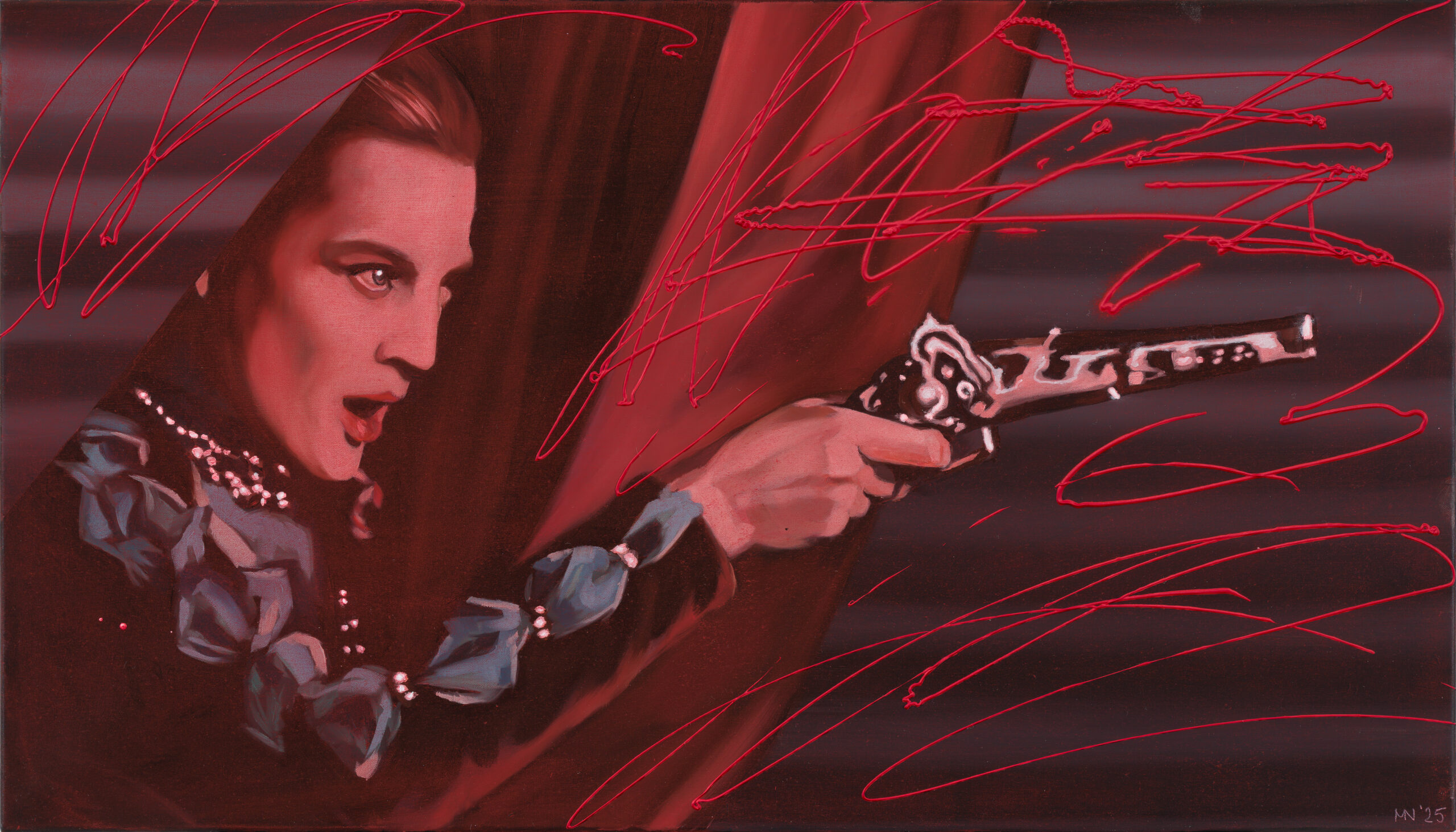
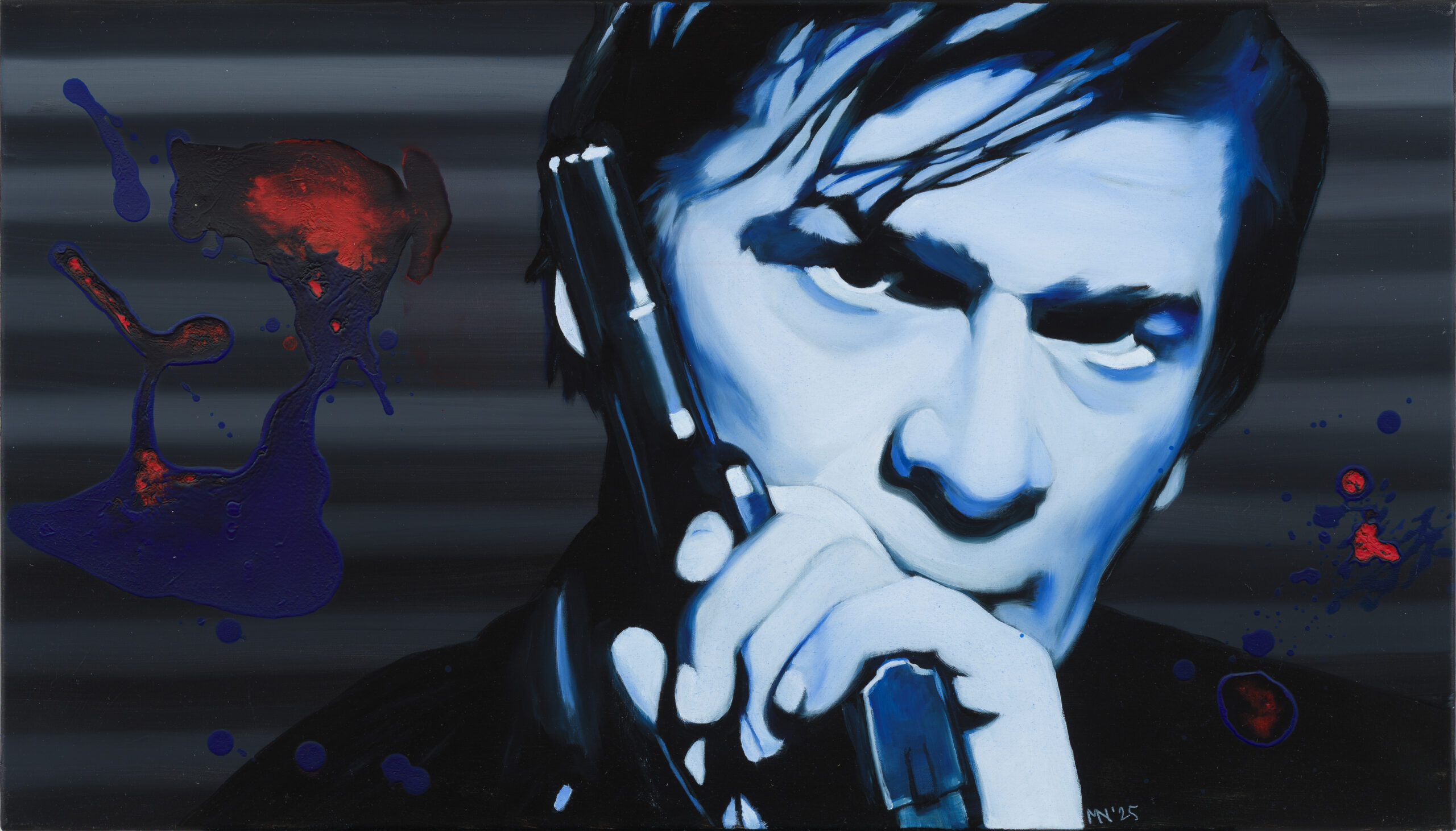
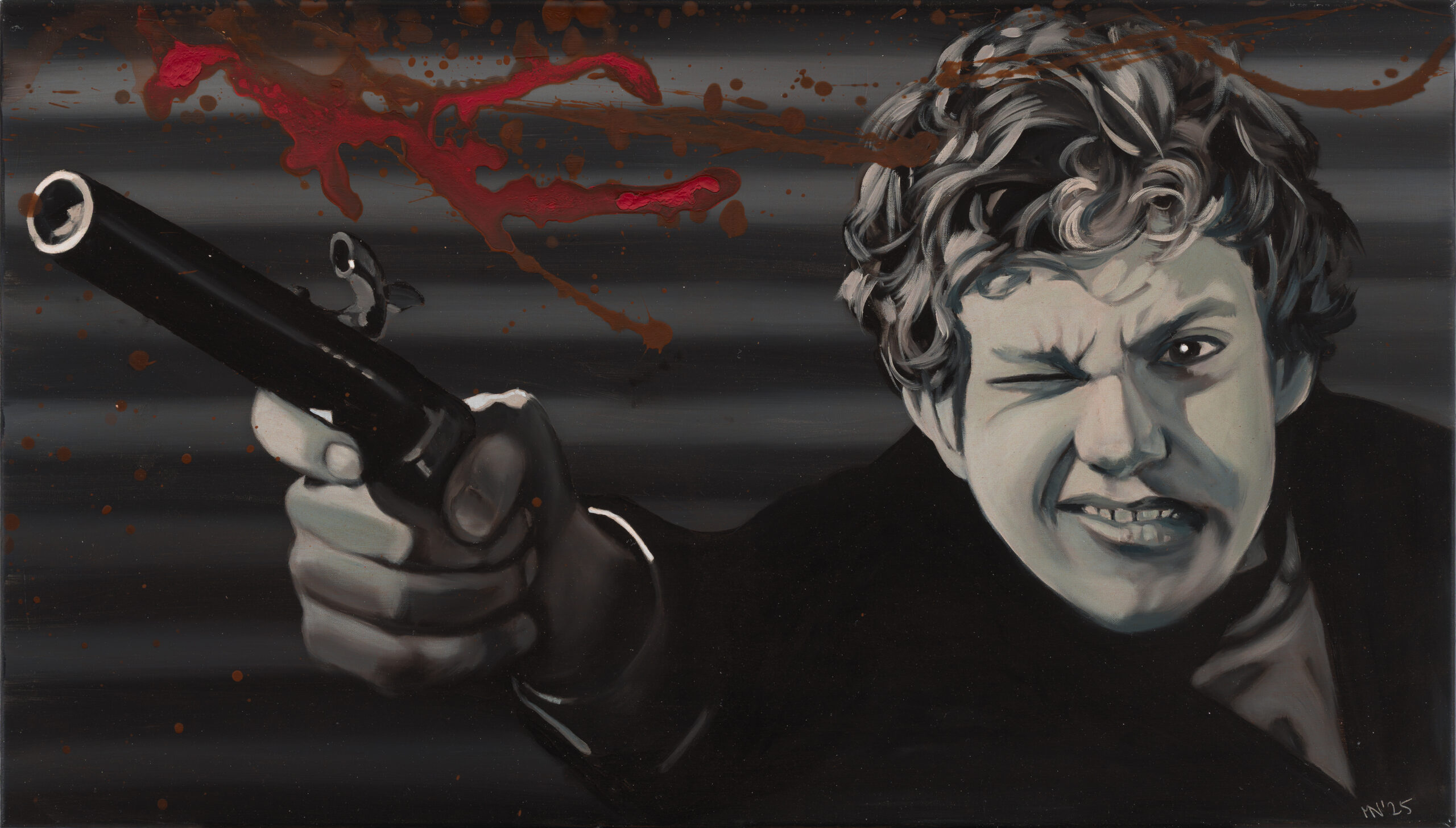
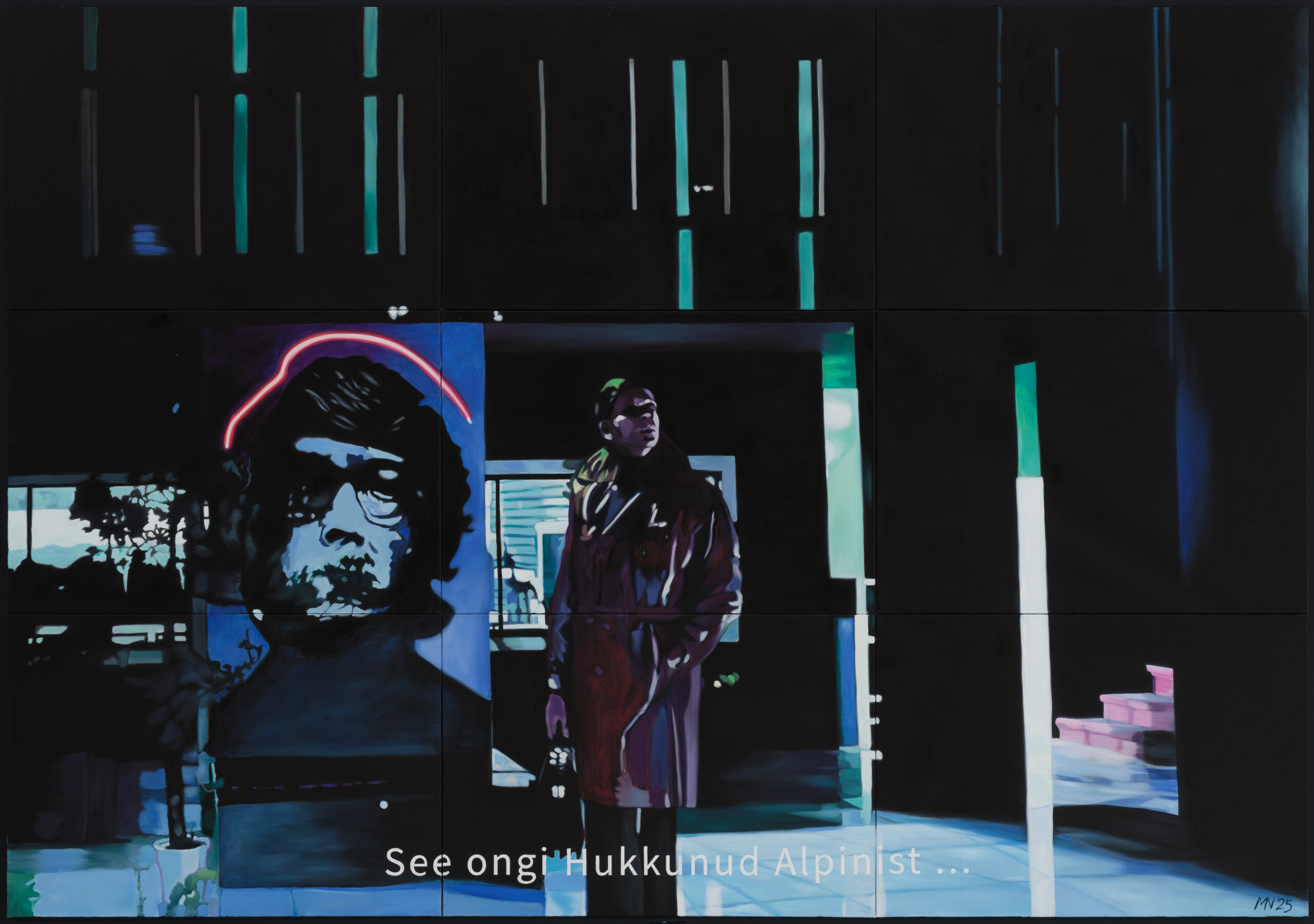
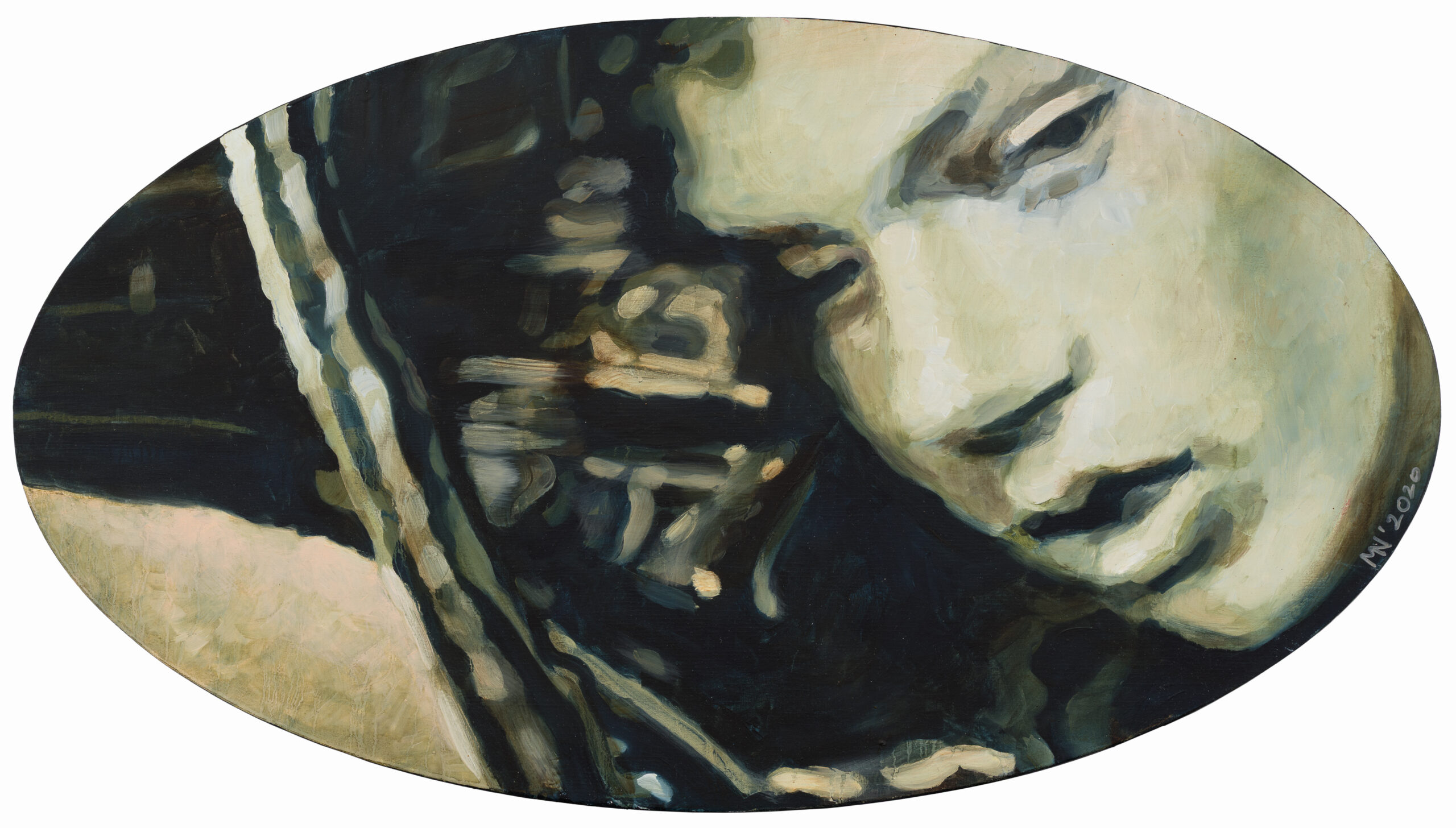
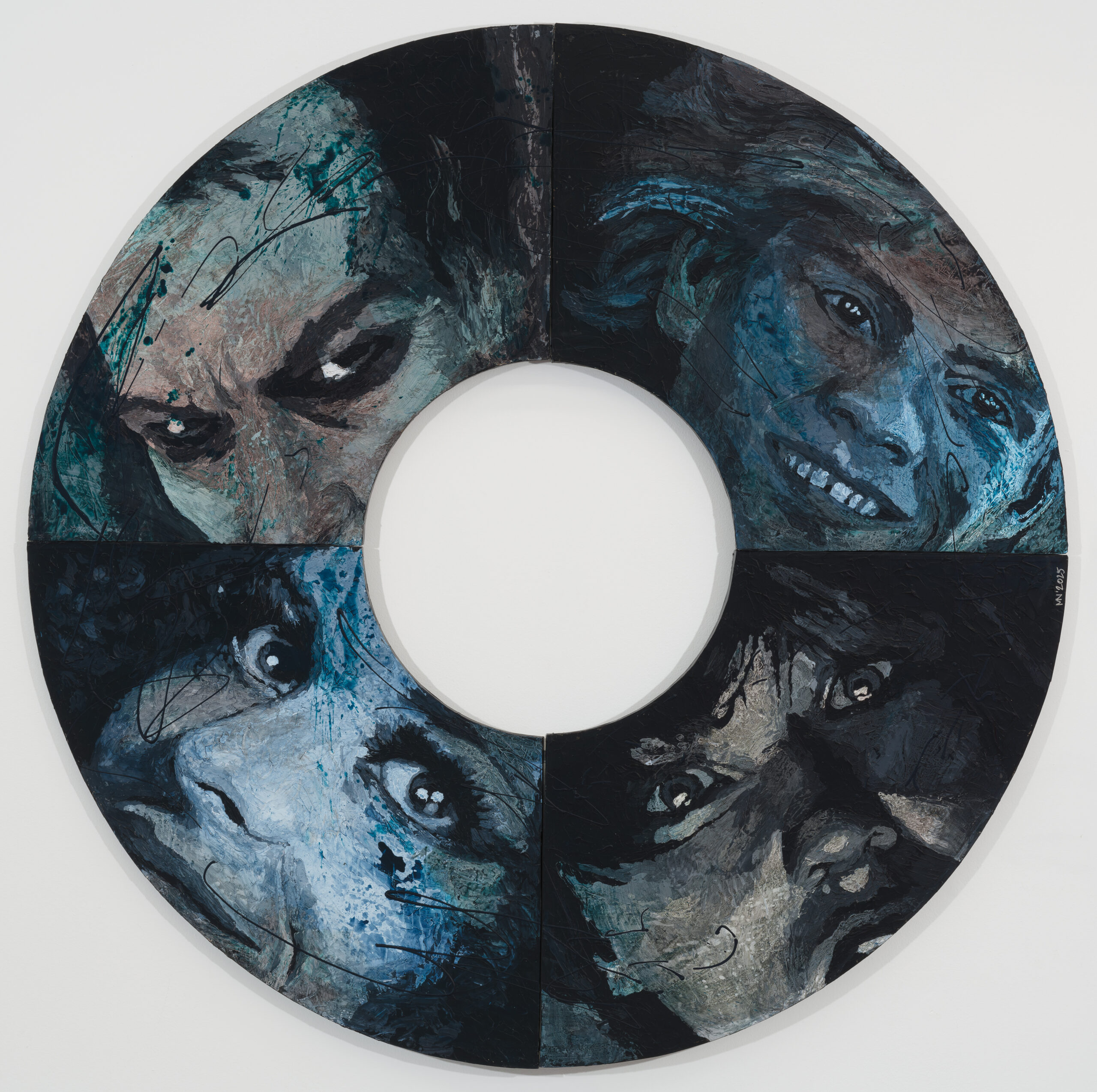
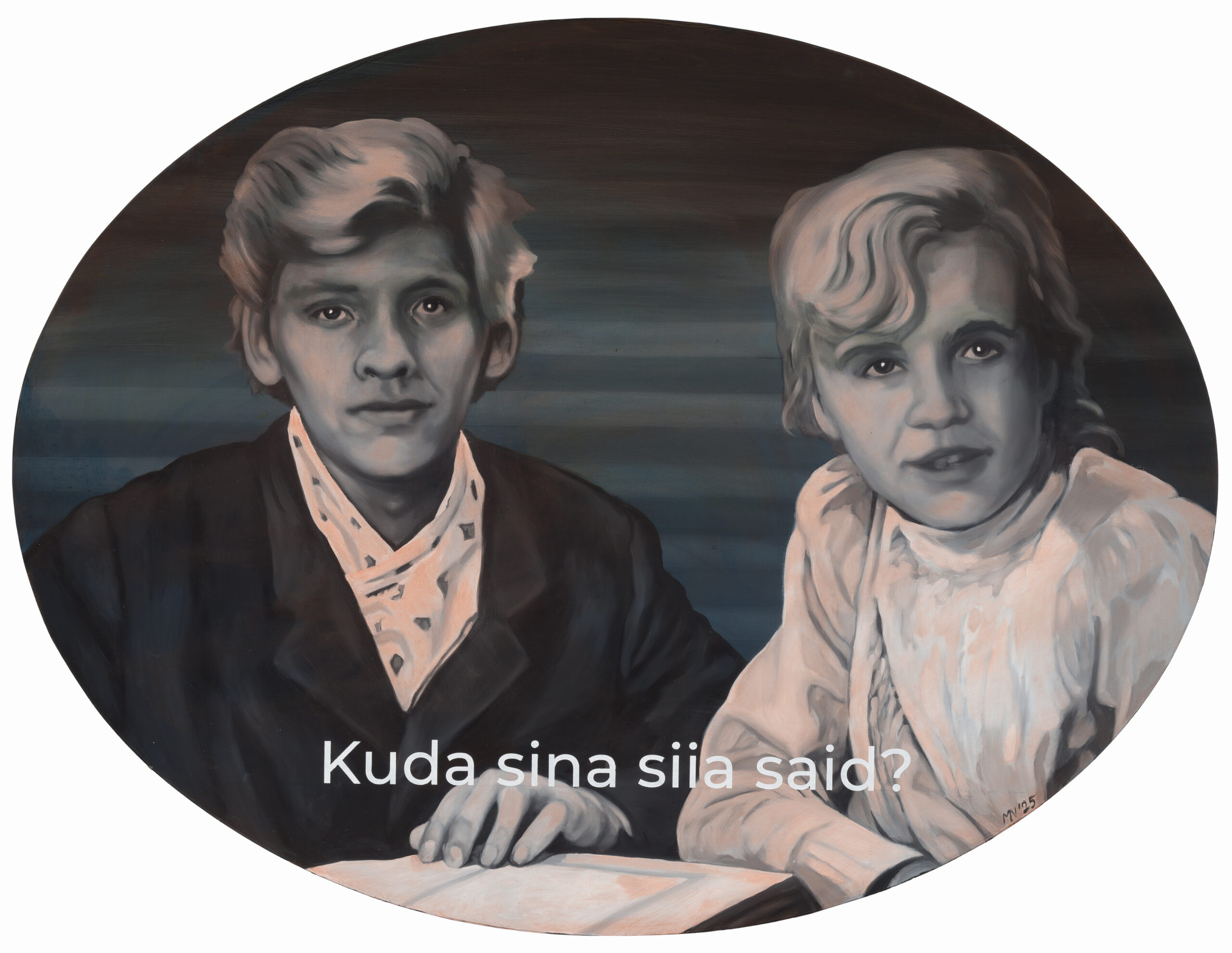
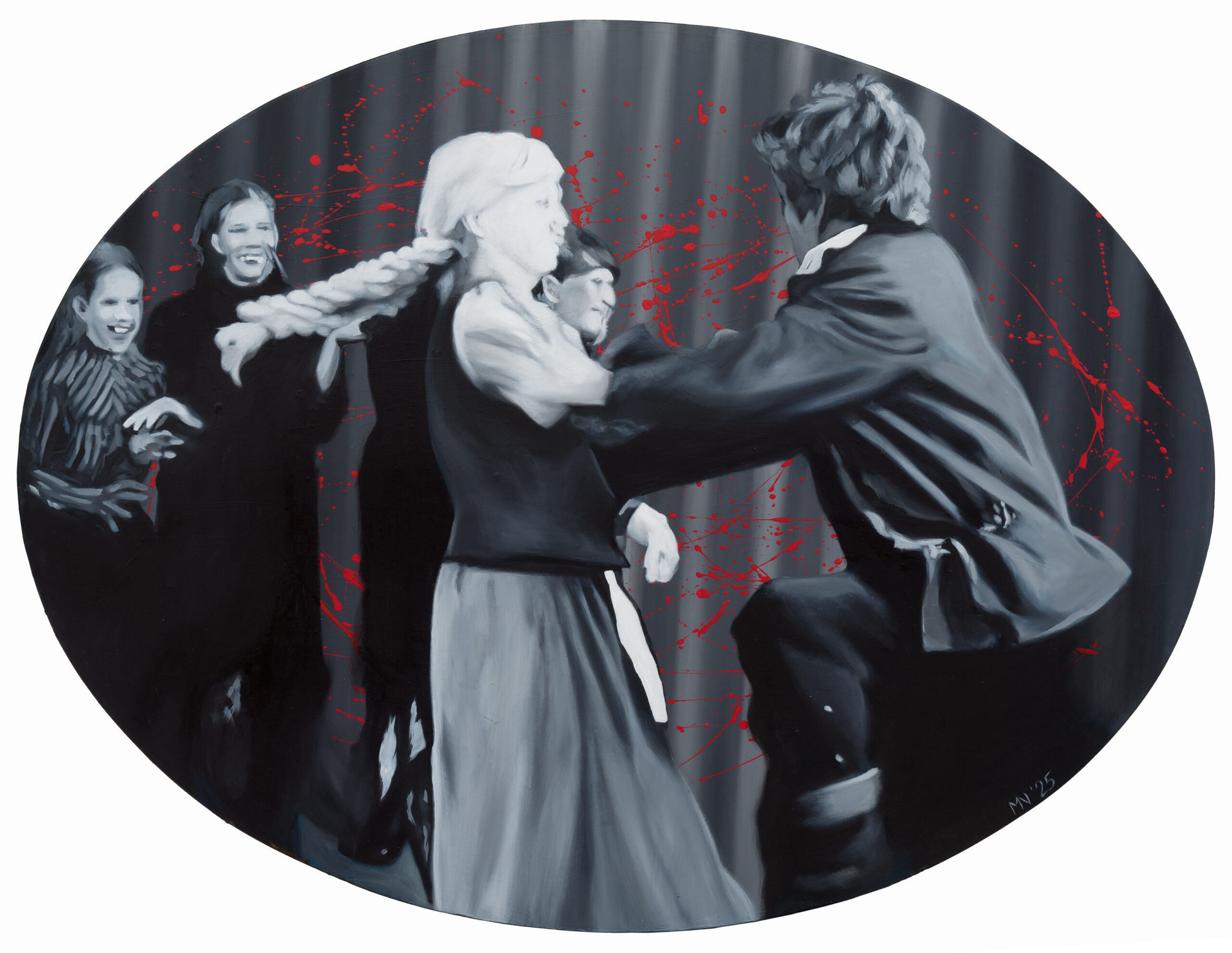
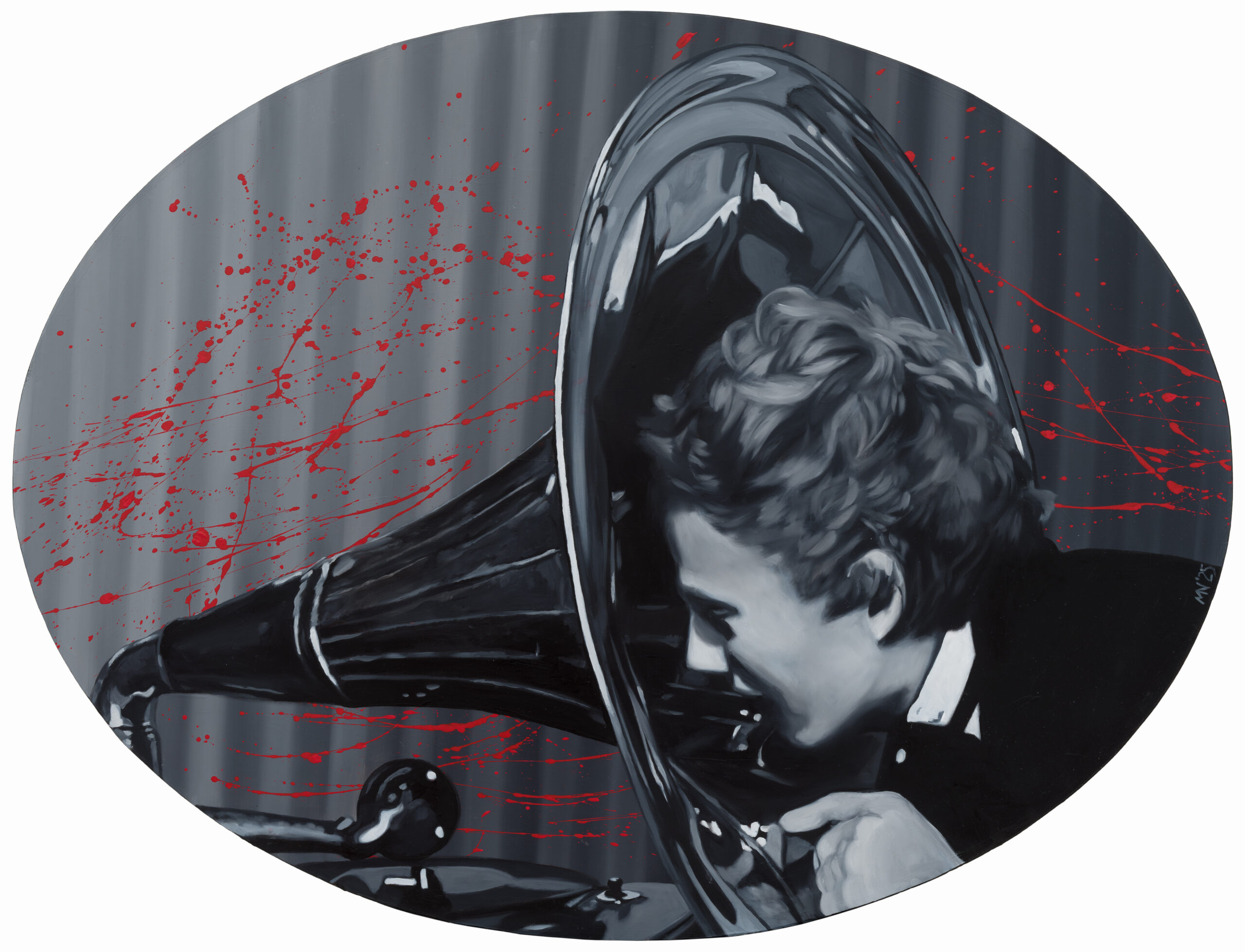
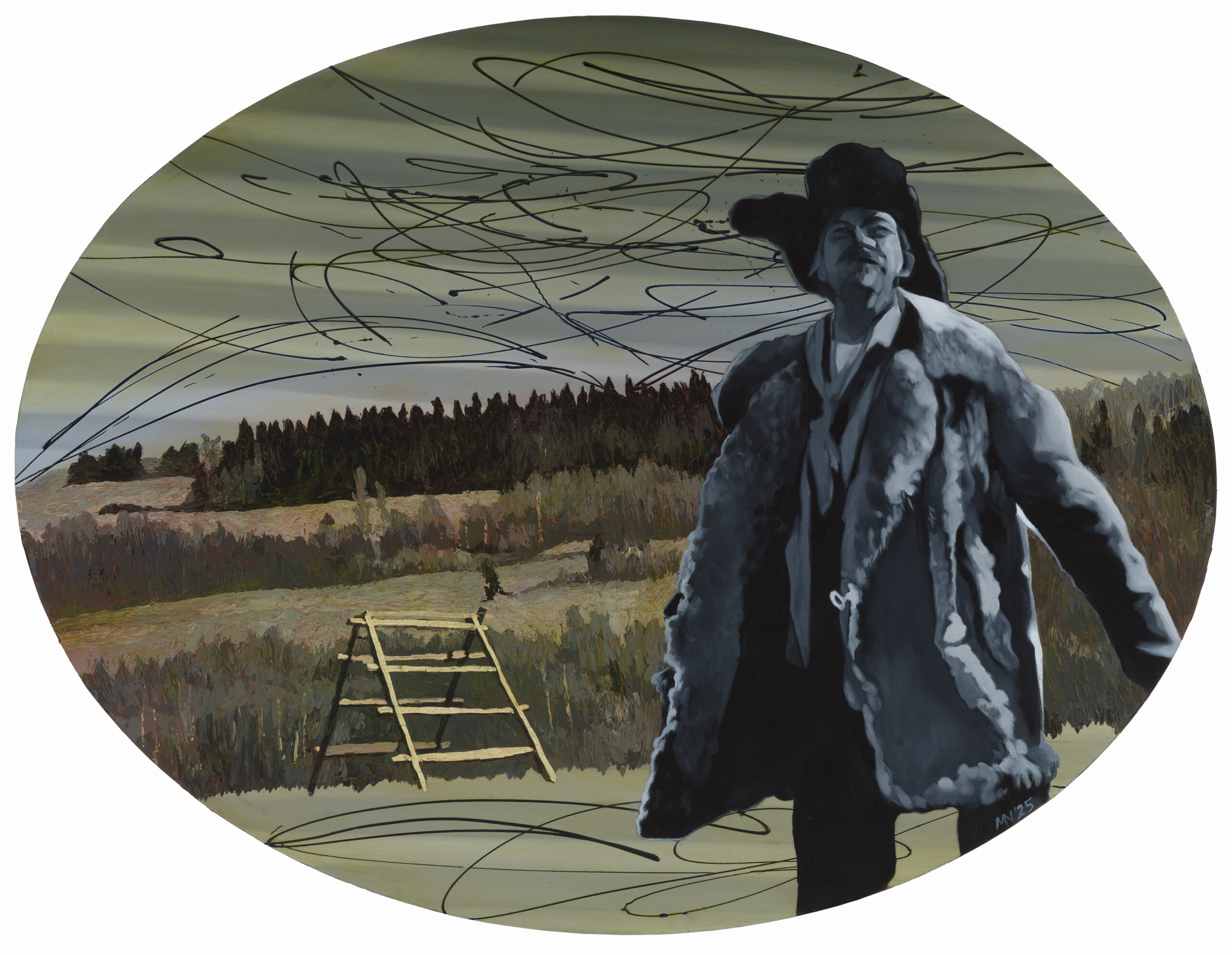
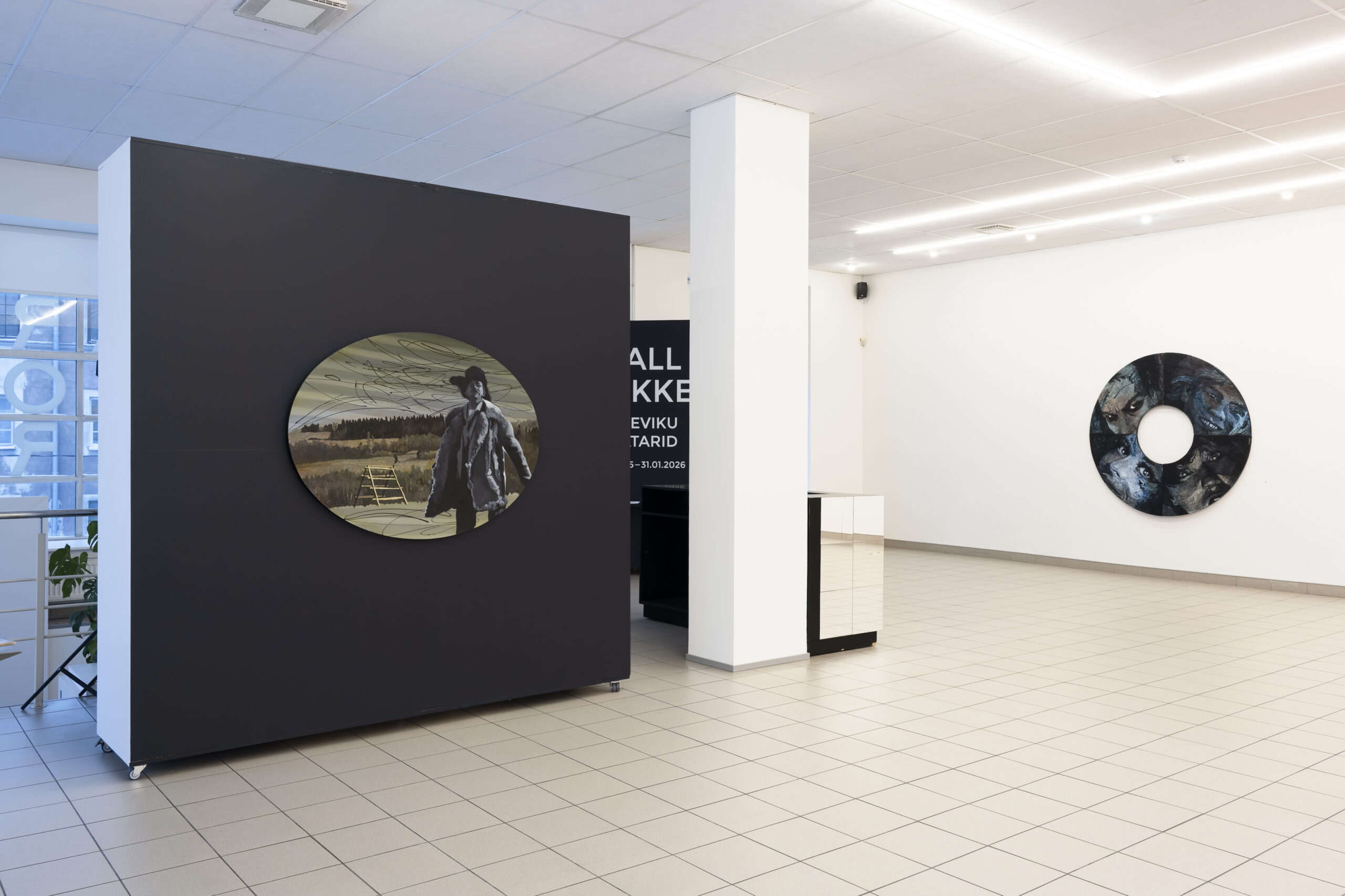
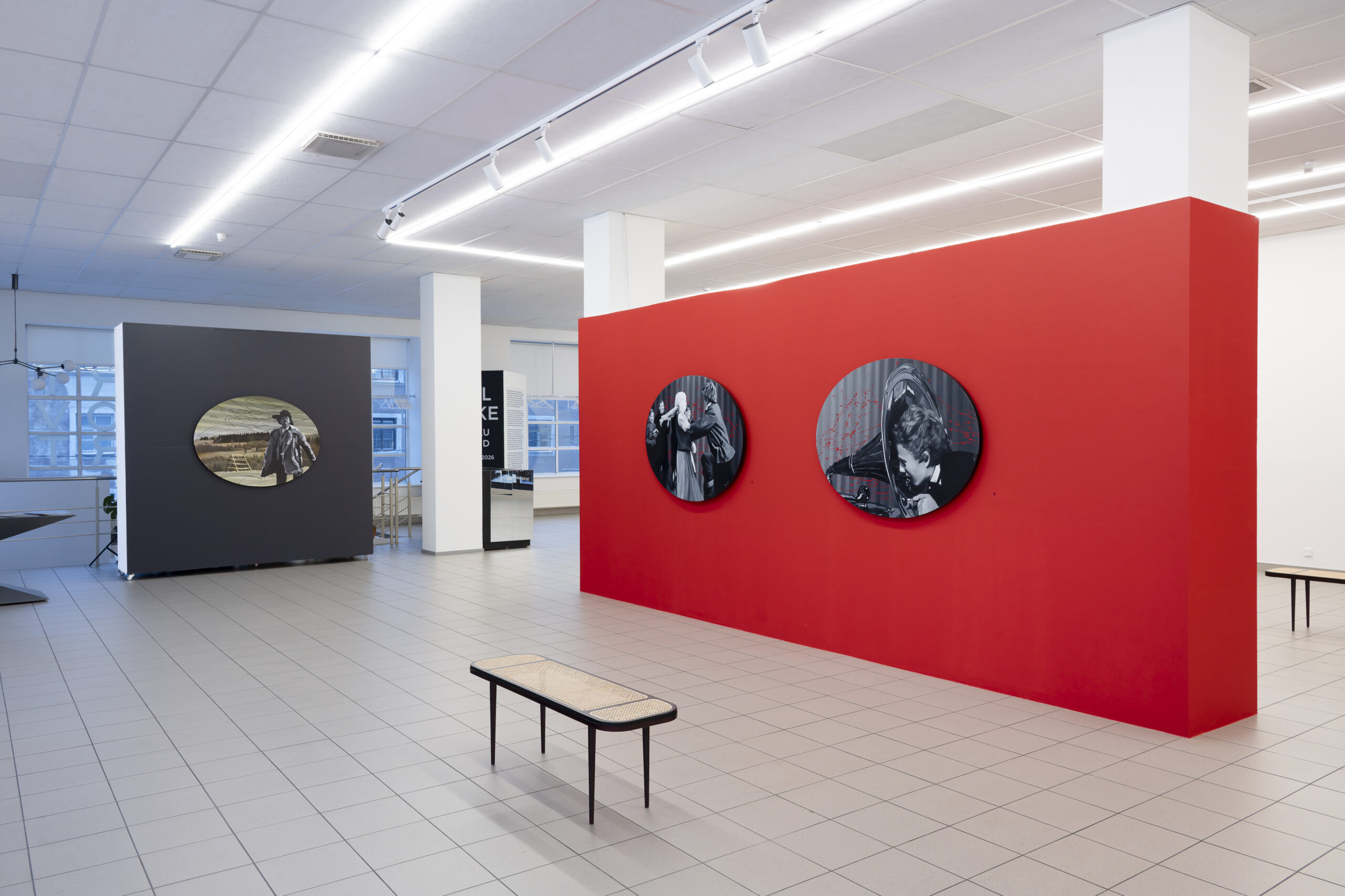
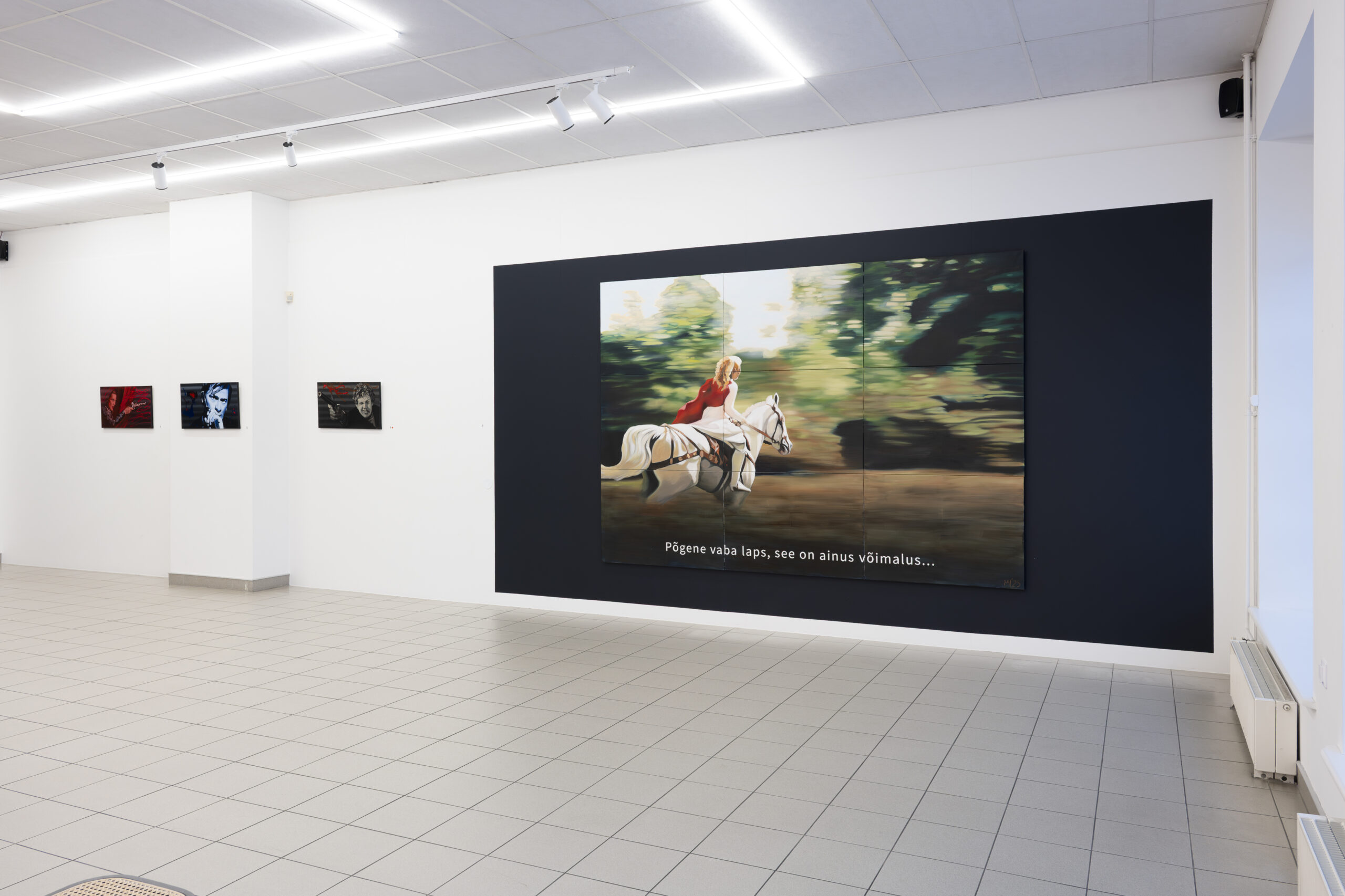
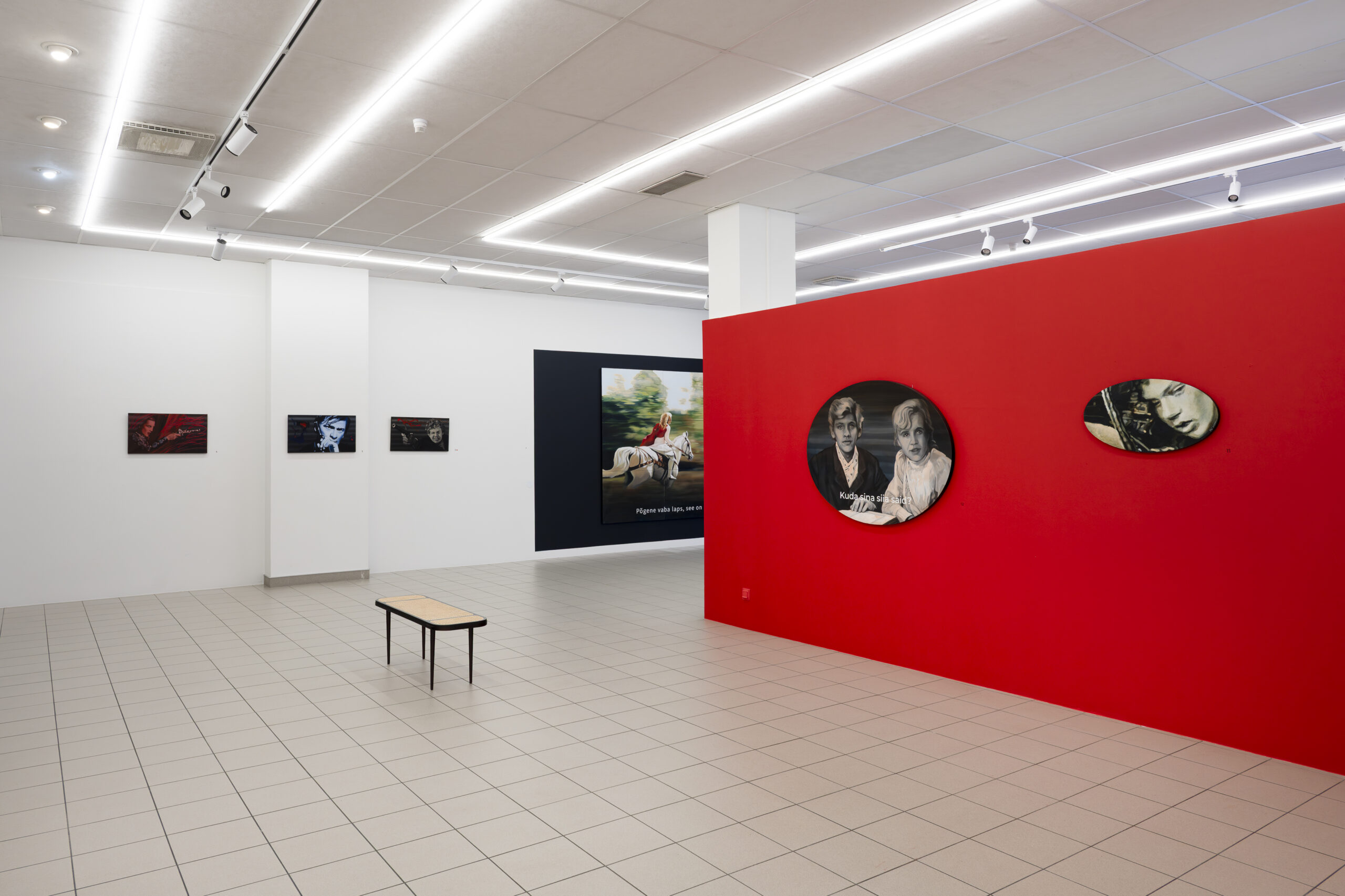
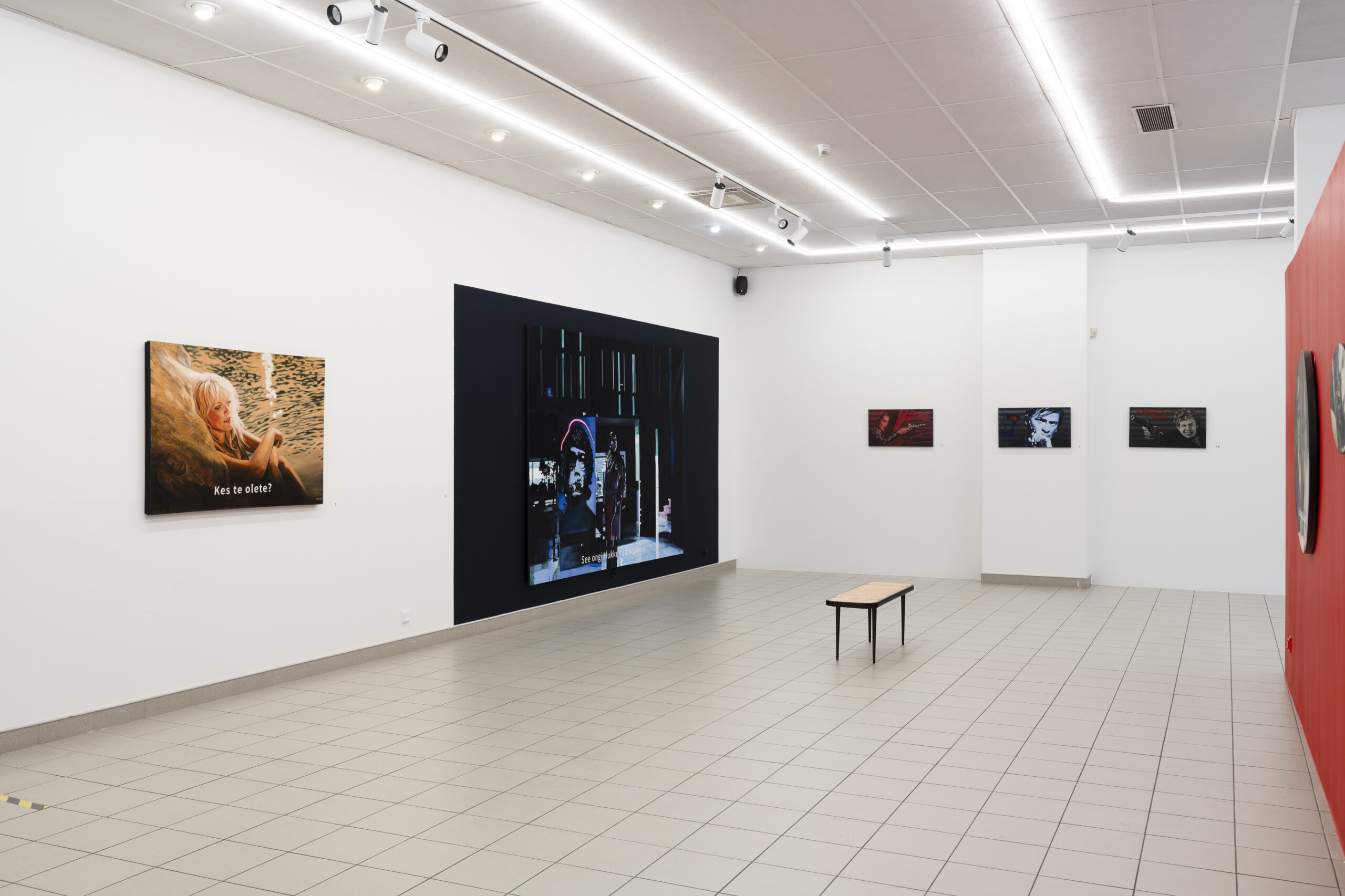
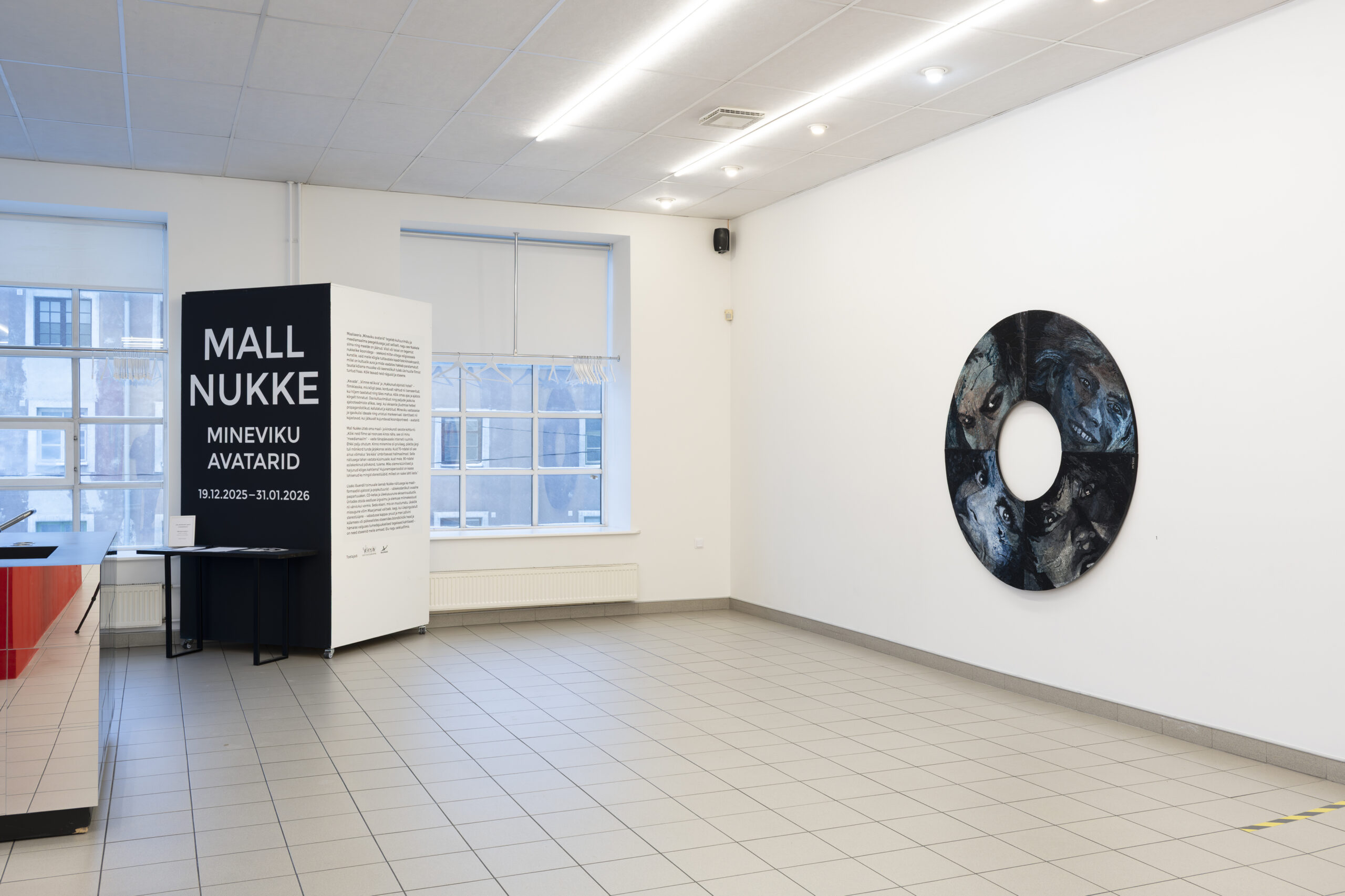
From 19 December, Artrovert Gallery presents Avatars of the Past, an exhibition of paintings by artist Mall Nukke. This new series explores cultural memory and the reflections of the media world as they have appeared and remained in the artist’s mind.
In one way or another, these works function as doll-like icons – not as references to religious art, but as scenes from the cinema screen that we all recognise. They possess a cult-like aura: images that inevitably trigger familiar music in the background or cause a well-known film quote to come to mind. These are faces and scenes everyone knows.
“Spring”, “The Last Relic” and “Hotel of the Dead Mountaineer” – film classics of Estonian cinema ingrained in collective memory, viewed repeatedly in their censored versions as well as later restored and complete editions. All highly valued in their time and within history. They form part of our cultural memory and, for many, have even been a source of historical knowledge, despite having reached the screen through propaganda, bias or omission. They mark oppositions of the past and timeless ideals and aspirations. They are composite portraits – avatars – that both reflect and continue to shape identity.
Speaking about the relationship between her painting and cinema, Mall Nukke explains:“All of these films could be seen in the cinema when I was young – that was my ‘media world’, the equivalent of today’s internet, only much safer. Going to the cinema was a privilege; sometimes you had to queue for hours to get tickets. But in the 1970s, it was the only way to ‘get away’ from the grey world around us. With this exhibition, I want to answer the question of where we, the generation that emerged in the 1990s, come from. Why are we cynical and accustomed to doubting everything? Certain stereotypes from that formative period still cling to us and are hard to shake off.”
Beyond her works on canvas, Nukke also borrows painting formats from history and popular culture – the petite-bourgeois oval passepartout window, the CD disc, and the oversized screen grid. She searches for the ancient spirit of Estonian identity and its diversity in both colour and form – the enduring elan that persists regardless of who governs the land. Even when exaggeratedly stereotypical – the bride galloping toward freedom, the fisherman with sea up to his knees, or the sunlit blond figures cast as virtuous while the dark-haired ones appear suspicious in dim light – these scenes remain beloved. Life as if in an adventure film.